Skip Navigation

MHPA26: The future of Medicaid calls for innovation and collaboration

This year's event explored how data, stronger partnerships, program integrity and changing member needs are driving new approaches to Medicaid programs.

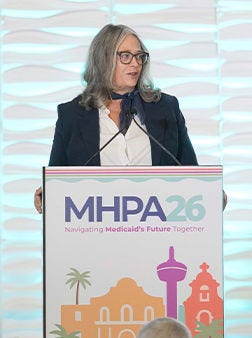
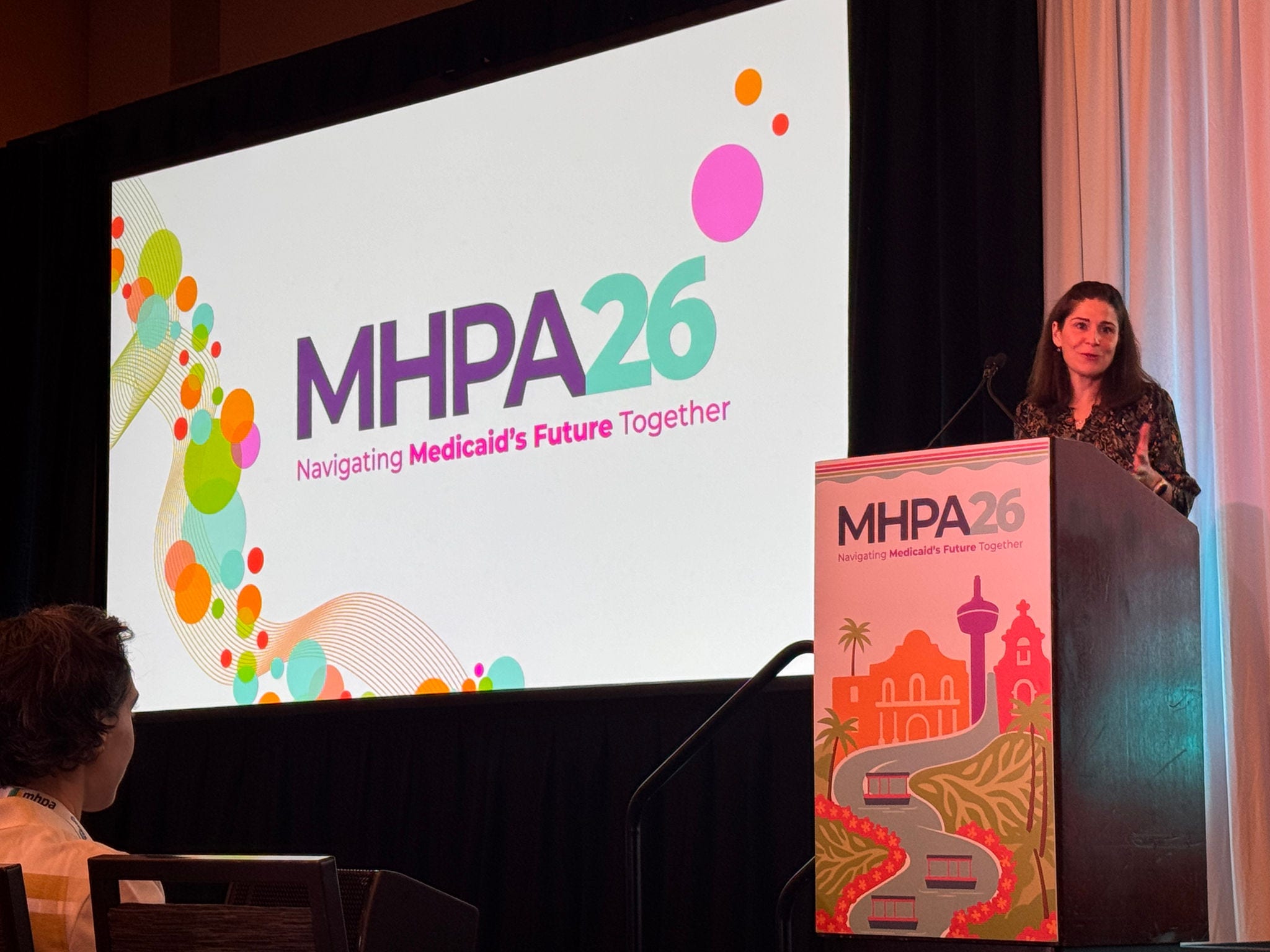
Catherine Anderson, UnitedHealth Group's senior vice president of health optimization strategy

Medicaid leaders, policymakers, managed care organizations, providers and other key stakeholders came together at MHPA26 in San Antonio to discuss challenges and opportunities across the care landscape. Hosted annually by the Medicaid Health Plans of America (MHPA), this year's conference was the largest on record and focused on the collective efforts required to navigate Medicaid’s future and improve the lives of members.

Committed to building relationships, sharing strategies and driving innovation in managed care, MHPA represents more than 160 organizations across 40 states, Washington, D.C., and Puerto Rico. Building on a 29-year partnership with MHPA, UnitedHealthcare served as a Mission Moment sponsor at the 2026 conference. That longstanding relationship is also reflected in the ongoing leadership of Catherine Anderson, UnitedHealth Group's senior vice president of health optimization strategy, who has served as MHPA board chair for six years.

Throughout the conference, several key themes emerged that highlighted both the challenges facing Medicaid and the opportunities to strengthen care for members. 
Data and partnerships are critical to navigating H.R. 1 implementation

As states prepare to implement new Medicaid requirements under H.R. 1, discussions at MHPA26 highlighted the important role health plans can play in partnering with states, providers and community organizations to help members navigate change and maintain access to care.

Panelists emphasized the value of:

  • Taking a data-first approach: Using eligibility, claims, utilization and other available information can help identify members who may qualify for exemptions or need additional support.
  • More timely information sharing: This can give plans and providers greater opportunity to reach members and help them understand new requirements.

The discussion also reinforced the broader value managed care can bring during periods of significant program change.

By combining data and analytics with provider and community relationships, health plans can support targeted outreach, improve care coordination and connect members with appropriate services.

At the same time, speakers emphasized the importance of continually demonstrating managed care's value through measurable outcomes and the experiences of members and providers.

 
Kate Paris, Vice president of policy and advocacy, UnitedHealthcare Community & State

Partnerships and innovation are essential to improving outcomes

As Medicaid members face increasingly complex physical, behavioral and social needs, no single organization can address these challenges alone. Bringing together health plans, providers, policymakers and community organizations through innovative care models can help improve access, coordinate services and support better outcomes.

During UnitedHealthcare's Mission Moment, Kate Paris, UnitedHealthcare Community & State’s vice president of policy and advocacy, brought this approach to life by sharing the story of a mother caring for her two children with complex health needs through UnitedHealthcare’s collaboration with Imagine Pediatrics. Her experience illustrated how coordinated virtual and in-home care can help families navigate moments of crisis, build greater stability, and access support when and where they need it most.

Health plans have an important role to play as connectors and collaborators. With the right approach, they can help coordinate resources and support more integrated approaches to care.


“Understanding the 'why' behind a trend matters as much as identifying the trend itself.” 

Kate Paris Vice president of policy and advocacy, UnitedHealthcare Community & State

Program integrity is critical to Medicaid's long-term success

Throughout the three-day event, discussions around program integrity emphasized the importance of protecting public resources while maintaining appropriate access to care. Achieving this balance requires accountability, transparency and a focus on member needs.

Effective program integrity requires safeguards across several areas, including:

  • Eligibility verification: Confirming what services members are eligible for and have access to
  • Network management: Monitoring provider participation and compliance
  • Utilization management: Reviewing the appropriateness of services and patterns of care
  • Payment reviews: Identifying potential issues before and after payments are made

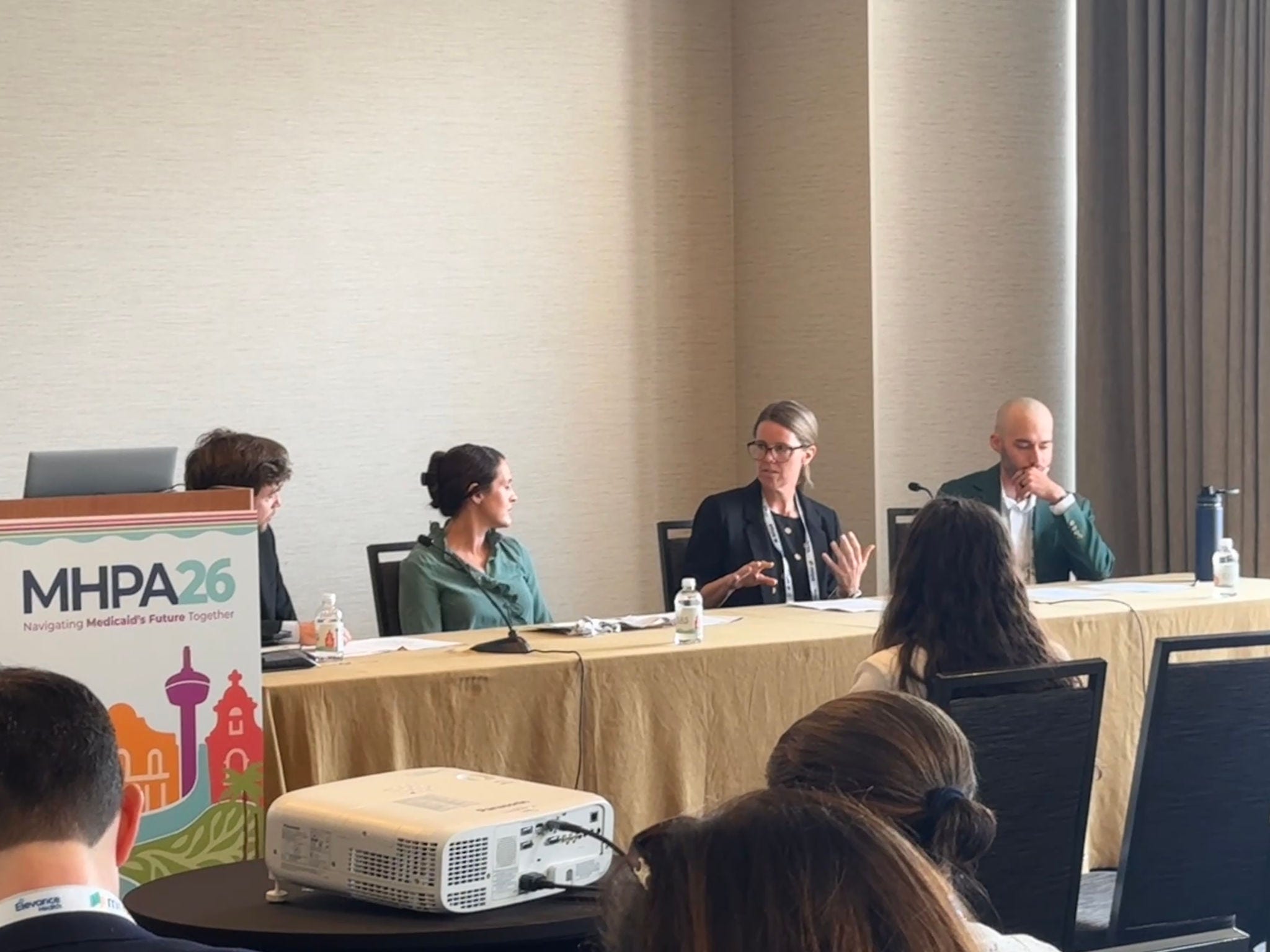
During a session, “Correcting the Record on Fraud, Waste and Abuse: How Plans Are Acting to Safeguard Program Integrity,” Paris stressed that health plans continually monitor utilization and trends. When unusual patterns develop, it signals that additional investigation is needed.

Together, these approaches can help Medicaid managed care organizations demonstrate accountability, protect public resources and maintain access to appropriate care for members.


Bonnie Punch, Vice president and actuary, UnitedHealthcare

Medicaid stakeholders must prepare for continued change

Another session at MHPA26 explored how changing Medicaid enrollment and utilization trends are shaping financial planning, forecasting and rate development.

The discussion, “Managed Care Rate Setting Challenges: Applying Lessons Learned from Previous Periods of Rapid Change to Plan for 2027 and Beyond,” highlighted rising utilization in behavioral health and home-based services, as well as growing prescription drug costs. Panelists also discussed how the Medicaid unwinding produced significant enrollment declines and churn, leaving plans to manage changing member acuity and utilization patterns.

According to Bonnie Punch, vice president and actuary at UnitedHealthcare, changes in member acuity, continuity of care and utilization patterns all have implications for future planning. Panelists drew parallels to H.R. 1, noting that more frequent eligibility determinations and new community engagement requirements could create another period of sustained enrollment change.

As states and health plans prepare for 2027 and beyond, speakers emphasized the importance of ongoing monitoring, earlier and more transparent collaboration during rate development, and the ability to respond when emerging experience differs materially from initial assumptions.


“Planning for the future requires balancing historical experience with changing realities.” 

Bonnie Punch Vice president and actuary, UnitedHealthcare
 
Featured topics


Learn about our work


Get updates on Medicaid topics

Be the first to know about relevant news & insights by subscribing to our newsletter.