Skip Navigation

Supporting healthier living at home: Key takeaways from HCBS 2026

UHCCS shared insights on MLTSS, AI-enabled care management and more while building care kits to support patients at Mary's Center at the 2026 HCBS Conference.

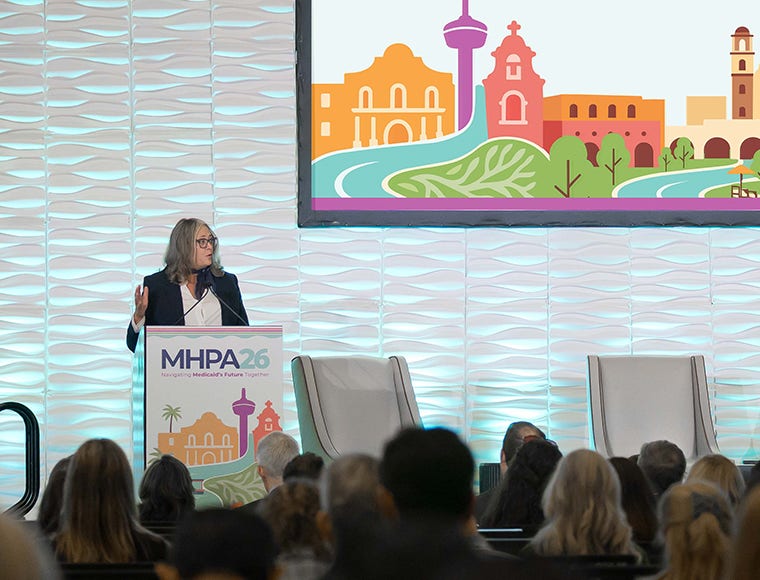
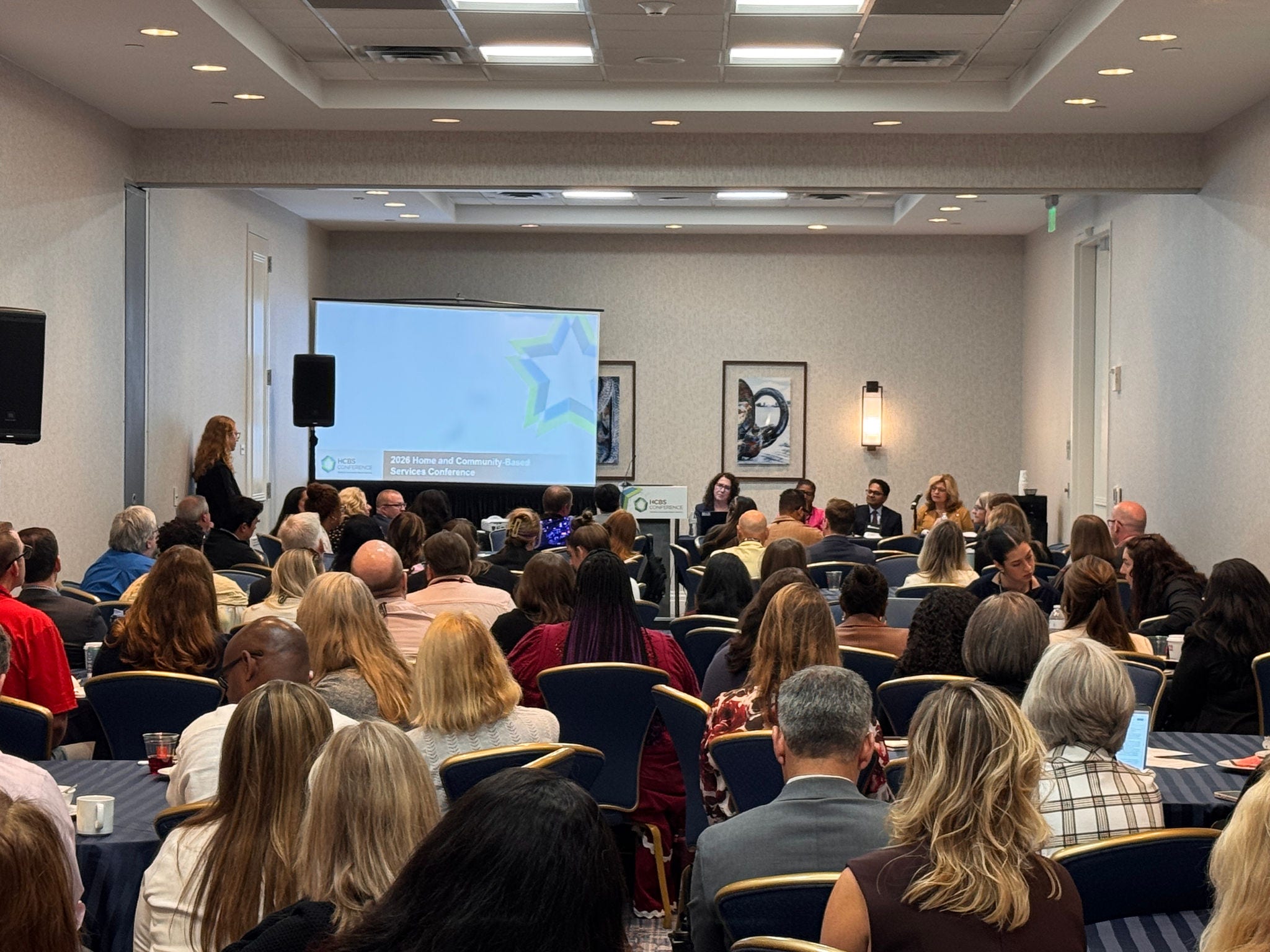
The annual Home and Community-Based Services (HCBS) Conference brings together policymakers, state agencies, providers and other leaders focused on strengthening home and community-based services and long-term services and supports (LTSS).

At this year’s conference, a consistent message emerged that meaningful progress depends on practical solutions that help people receive the services and supports they need in the communities where they live.

UnitedHealthcare participated in sessions focused on AI-enabled care management, care coordination for dual-eligible beneficiaries, care for children and youth with special health care needs, and HCBS workforce development.

Together, these discussions highlighted several priorities shaping the future of HCBS, including person-centered care, workforce sustainability, responsible innovation and stronger coordination across health care and community-based services.

Helping older adults live healthier at home

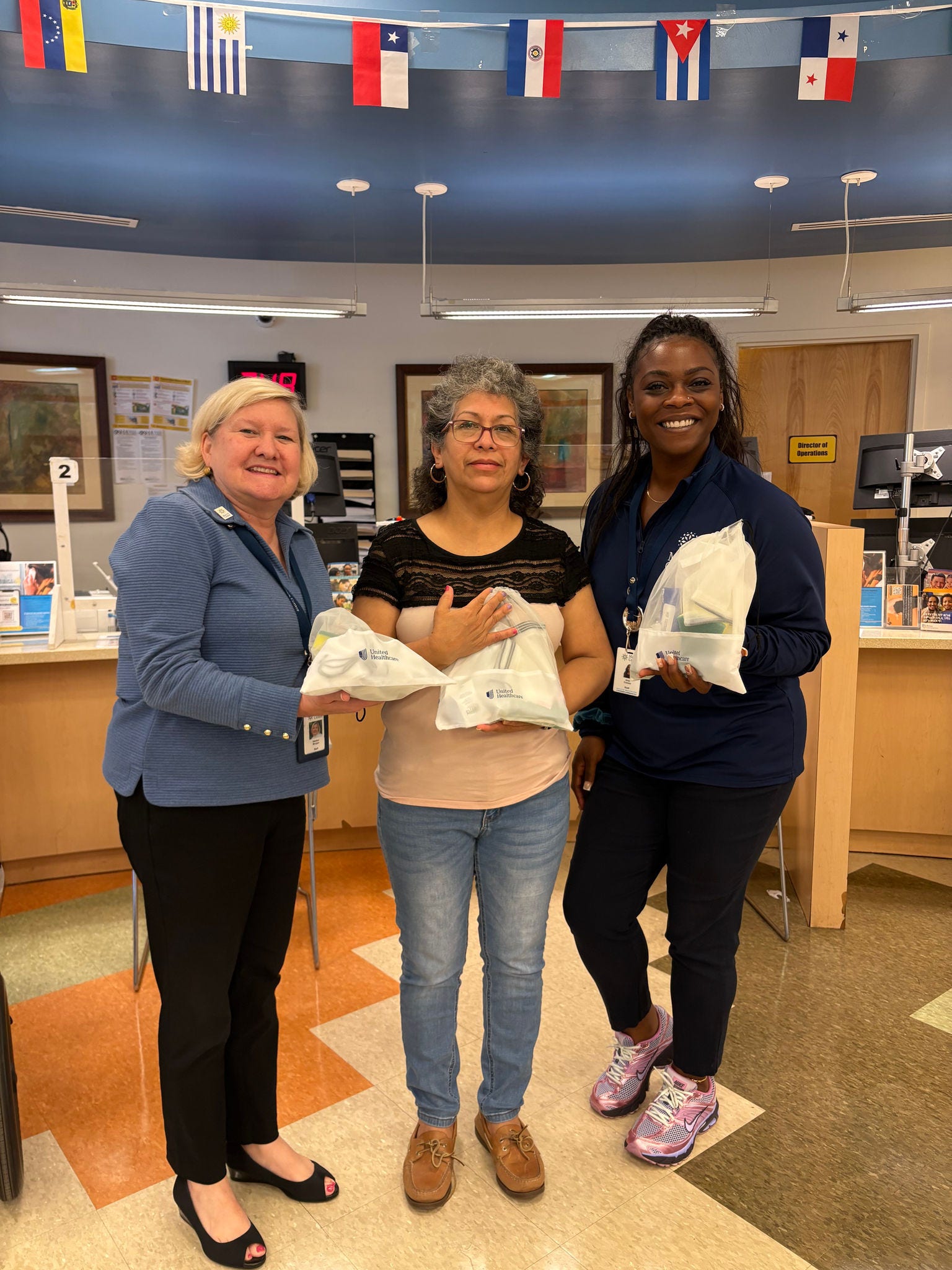
At UnitedHealthcare's booth, conference attendees helped assemble 265 cleaning supply kits for older adults served by Mary's Center, a federally qualified health center (FQHC) that has been serving communities across Maryland and Washington, D.C. for nearly four decades. The kits included household cleaning supplies, such as sponges, dish soap, cleaning tablets and wipes, and were delivered to Mary’s Center after the conference.

A clean home is more than a matter of comfort. It can help support a safer living environment and allow older adults to direct limited household resources toward other needs. The activity also reflected how meaningful support often begins with listening to community partners and responding to the needs they identify.

"These cleaning care kits will provide our older patients with much-needed practical supplies that can help support a cleaner, safer home," said Ariel Connor, manager of community engagement, Mary's Center. "We appreciate UnitedHealthcare and HCBS Conference attendees for turning a shared commitment to healthy living into meanigful support for our community."

Learn more about Mary's Center

 
Heather Morgan, former EVP of Development, and Ariel Connor, Community Engagement Manager, of Mary’s Center, with a care kit recipient. Conference attendees assembled hundreds of kits for older adults served by Mary’s Center.
 

Responsible AI should create more room for human connection

During “AI-Enabled Care Management: Reducing Administrative Burden and Elevating Person-Centered HCBS,” a session led by UnitedHealthcare and the Virginia Department of Medical Assistance Services, panelists explored how AI-enabled care management tools may help care managers prepare for visits, organize information, streamline documentation and spend more time on person-centered planning, member engagement and service coordination.

The discussion examined lessons learned from implementing UHC Care Assist, an AI-enabled documentation and workflow tool designed to reduce administrative burden while maintaining human oversight and accountability.

Speakers shared early results indicating that UHC Care Assist can improve data accuracy and cut documentation time by up to 50% while helping care managers generate NCQA-standard documentation and streamline assessment workflows.

The session repeatedly returned to a simple test for technology: Does it help care managers be more present for the people they support? Panelists emphasized the importance of human review, member transparency, consent and ongoing governance throughout the technology lifecycle.
 

“When used responsibly, AI should fade into the background so members stay at the center, reducing burden, preserving human judgment and giving care teams more time to listen, coordinate and act.” 

Subhash Pande Health plan chief information officer, UnitedHealthcare Community & State.
 

Advancing care coordination approaches for dual-eligible beneficiaries

Supporting people who are dually eligible for Medicaid and Medicare through a dual eligible special needs plan (D-SNP) can be particularly complex when LTSS are delivered through a fee-for-service environment. The majority of HCBS waiver enrollees are also enrolled in Medicare, creating an opportunity for states to strengthen coordination across the two programs even without implementing managed LTSS (MLTSS).

Against this backdrop, speakers from UnitedHealthcare, ADvancing States, the state of Colorado and Impact 120 Strategy Consulting considered practical approaches states can take to coordinate care for dual-eligible beneficiaries who receive HCBS during the session “How States Can Help Duals without Implementing Managed LTSS.”

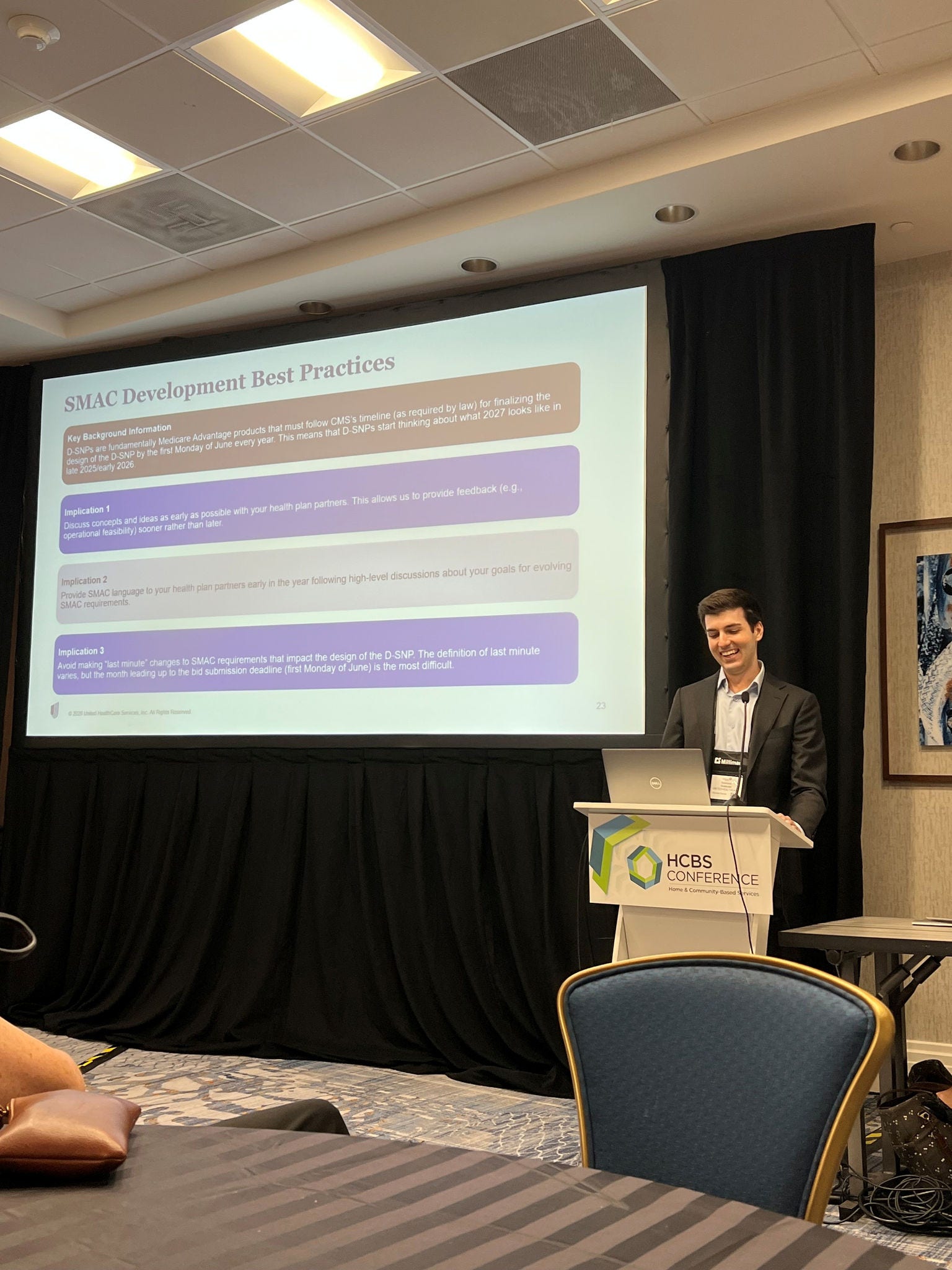
Drawing on lessons from two fee-for-service LTSS states with coordination-only D-SNPs, panelists discussed practical ways to strengthen coordination across Medicaid and Medicare, including improving data sharing, building stronger interagency partnerships and helping care coordination teams better navigate both programs. The conversation focused on identifying realistic opportunities to improve coordination within existing state structures and resources.

Strengthening the home and community-based services workforce

Workforce sustainability was another recurring theme at HCBS 2026. Attendees pointed to recruitment and retention pressures, inconsistent training pathways and limited opportunities for advancement as challenges that can affect HCBS capacity.

In the session “From Mandate to Momentum: How Indiana MCEs United to Strengthen the HCBS Workforce,” managed care leaders and a workforce partner discussed a collaborative strategy encompassing recruitment, retention, training and provider support.

“Workforce challenges remain one of the most significant issues facing HCBS programs nationwide,” said Joanna Peak, workforce development administrator, UnitedHealthcare. “Together, with collaboration from states, health plans, providers and community organizations, we can make significant progress by supporting recruitment, retention and long-term workforce sustainability.”

Making an impact and strengthening partnerships at HCBS 2026

For UHCCS, the HCBS Conference represents a unique opportunity each year to gather alongside the policymakers, providers and leaders who administer, manage and deliver waiver and other HCBS programs.

It is also an important time to deepen our long-term support for ADvancing States and those they serve. With collaborations that include valuable initiatives such as serving as an advisory board member on the MLTSS Institute and the inaugural sponsor of the Next Gen HCBS Leaders Program, our partnership now dates back more than 14 years.

At this year’s event, we were proud to help Mary’s Center patients live healthier at home while sharing our insights and real-world experiences with the broader HCBS community. And we look forward to returning to Maryland next August for the 2027 HCBS Conference.


Featured topics


Learn about our work


Get updates on Medicaid topics

Be the first to know about relevant news & insights by subscribing to our newsletter.