Skip Navigation

Strengthening whole-person support for older adults in southern Arizona

A $150,000 investment in Pima Council on Aging is expanding coordinated support for older adults and family caregivers in Southern Arizona.

For many older adults, living in their home depends on everyday supports including nutrition, transportation and social connections. UnitedHealthcare Community Plan of Arizona has invested $150,000 in Pima Council on Aging (PCOA) to strengthen community-based programs for older adults and family caregivers across Pima County.

Through its resource line and network of programs, PCOA connects older adults and caregivers with services that span nutrition, caregiving resources and neighborhood-level support. The organization serves more than 20,000 older adults and caregivers annually across Pima County, and thousands more seek assistance than current resources allow. Support from UnitedHealthcare Community Plan of Arizona will increase capacity and pilot innovative approaches to coordination and early intervention.

Addressing the needs that shape health and well-being

PCOA’s programs aim to support the interconnected needs that can influence an older adult’s health and ability to live in their community. Programs include:

  • Neighbors Care Alliance networks offering transportation, friendly visits and other practical supports
  • Nutrition programs that provide congregate and home-delivered meals
  • Rights and benefits counseling to help access public programs and address housing or utility needs
  • Case management for complex health, housing, legal or social needs
  • Family caregiver services that provide education, respite care and navigation
  • Dementia-capable programs including education, memory cafes, and caregiver coaching
  • Falls prevention to help older adults maintain strength and independence
  • Advanced care planning to prepare for health care decisions

Supporting older adults through coordination

PCOA’s resource line serves as a front door to the ecosystem and is often the first call older adults or their caregivers make in moments of crisis. Team members take time to understand each individual’s circumstances and help navigate options, including making connections to community organizations. Through this coordinated approach, PCOA aims to address social drivers of health that can impact an older adult’s ability to age at home.


Building connection at a neighborhood level

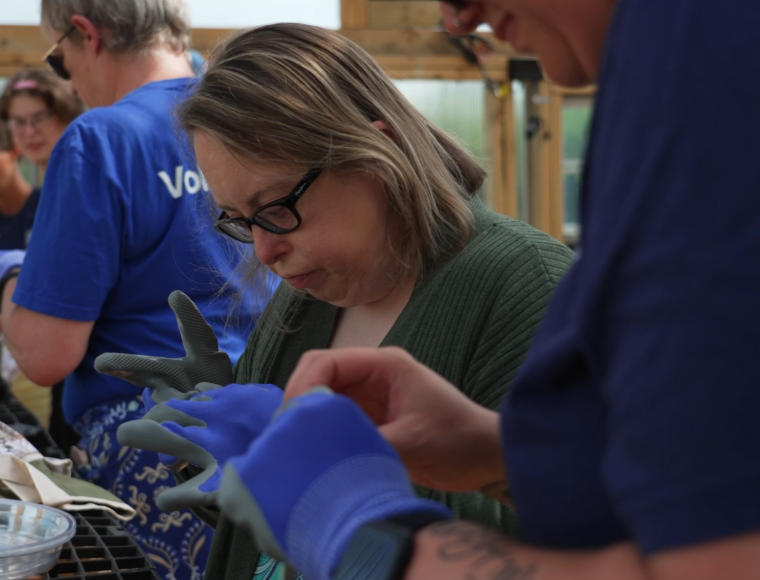
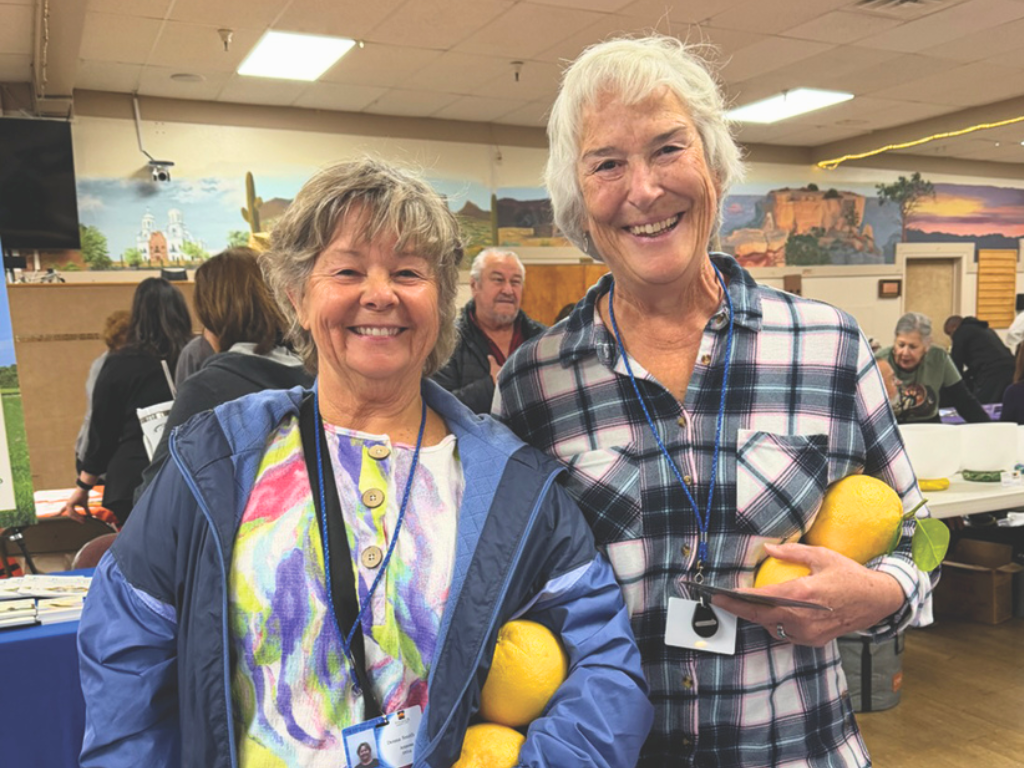
PCOA’s Neighbors Care Alliance is 20 volunteer networks operating at a neighborhood level across Pima County. The program connects older adults with nearby volunteers who provide friendly visits, meal delivery and other practical assistance to help residents remain independent. The goal is to strengthen informal support networks to meet immediate needs and reduce loneliness.

At a local RV community, the Neighbors Care Alliance helps residents overcome challenges and build connections. Volunteers help with rides to medical appointments, meals for homebound residents, help running errands or friendly visits. One resident thought poor eyesight had ended a lifelong passion for reading. A volunteer introduced her to audiobooks and helped her navigate the technology to get back to her favorite hobby. Another volunteer regularly sits with a neighbor who is living with dementia, giving the neighbor’s wife time to attend appointments or rest. This support is critical for helping neighbors stay in their homes.

Expanding capacity and innovation

In addition to expanding program capacity, the investment from UnitedHealthcare Community Plan of Arizona will help PCOA enhance assessment protocols, triage pathways and cross-program coordination to better identify risk, prioritize high-acuity cases and route individuals to the right level of support sooner. These innovations can reduce fragmentation, shorten response times and address inequities related to health and digital literacy.

PCOA’s programs complement clinical care by addressing practical social needs that affect older adults’ health and independence. By strengthening early intervention, prevention and sustained engagement, these programs can help more older adults stay in their homes, reduce preventable crises and give caregivers greater stability. 

 
 
Author
Featured topics


Learn about our work in Arizona


Get updates on Medicaid topics

Be the first to know about relevant news & insights by subscribing to our newsletter.