Skip Navigation

Five years of progress: North Carolina’s Medicaid managed care improves access, outcomes, and value


Key Insights & Takeaways

North Carolina's first five years of Medicaid managed care have demonstrated how a coordinated, member-centered approach can improve health outcomes and safeguard taxpayer dollars at the same time.

Since the state's transition in 2021, it has succeeded in closing care gaps, expanding value-based care initiatives, modernizing the provider experience, and reducing administrative burden — while recording measurable improvements in maternal health, preventive care, diabetes control, and childhood wellness visits, among other important health outcomes.

Five years ago, North Carolina embarked on a transformative journey to modernize Medicaid through managed care, an undertaking grounded in the belief that we could deliver better outcomes, expand access, and do so in a way that is financially sustainable for the state and the communities we serve. Today, as we mark this important milestone, we reflect not only on how far we’ve come but on the responsibility we carry to keep moving forward.

From the outset, our vision was clear: improve health outcomes, budget predictability, and health care affordability. As a health plan serving nearly 500,000 North Carolinians across diverse communities, we at UnitedHealthcare Community Plan have seen firsthand how this model has enabled more coordinated care, improved preventive services, and put greater focus on whole-person health. Whether it’s connecting members to primary care, addressing behavioral health needs, or tackling social drivers of health, the progress over these five years is both meaningful and measurable in the lives of the people we serve.

Equally important has been our collective commitment to affordability. Managed care has introduced greater accountability and transparency into the system, allowing us to better manage costs while reinvesting in programs that improve outcomes. This balance, delivering high-quality care while safeguarding taxpayer dollars, is critical to the long-term stability of Medicaid in North Carolina.

Improving health outcomes

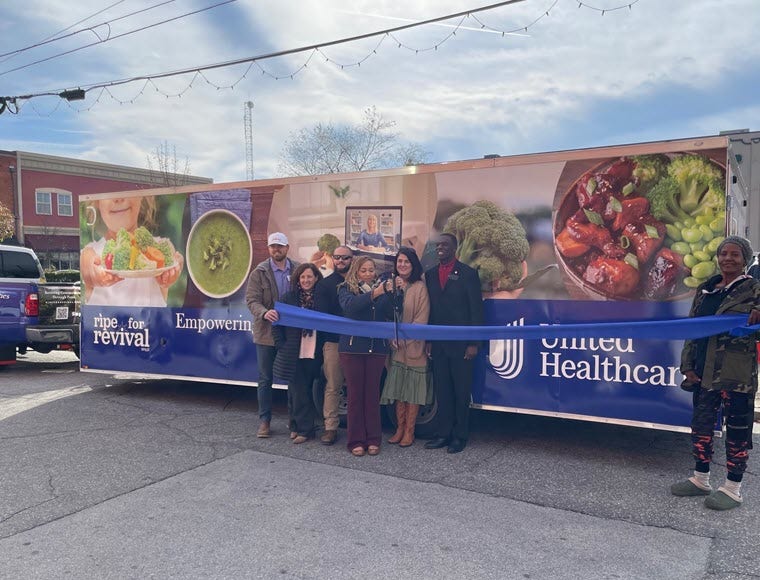
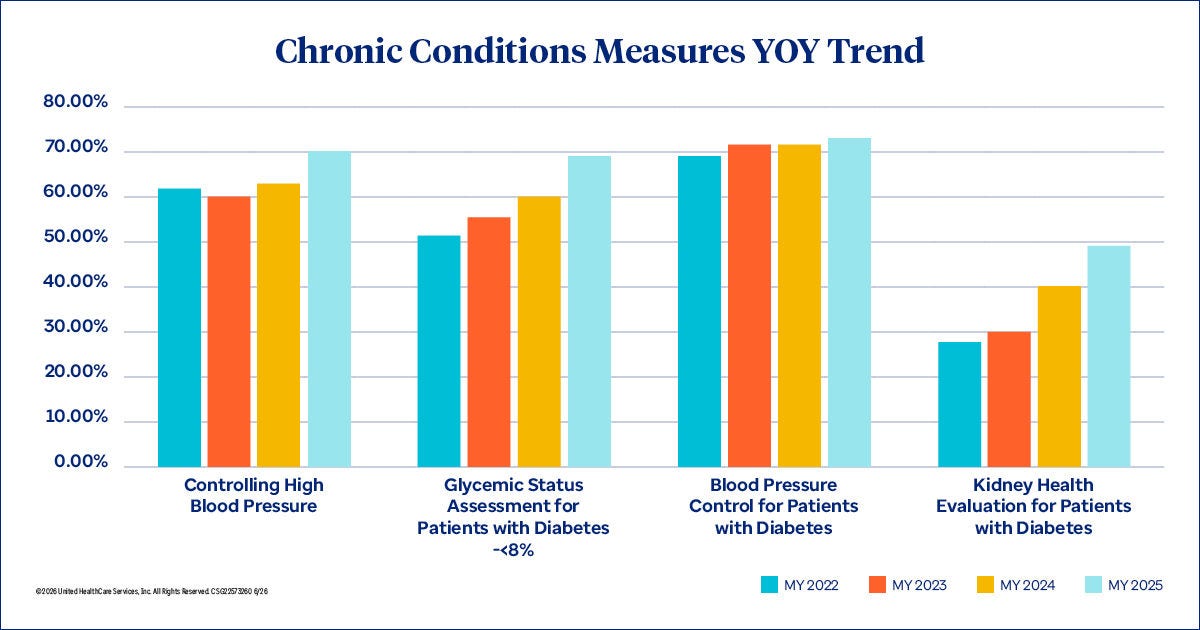
Over the past five years, our chronic conditions program has expanded to include provider partnerships, community-based interventions, and strategies addressing social drivers of health, driving higher member engagement and closing care gaps. Targeted outreach to thousands of members, enhanced tracking and reporting, and focused provider education have delivered measurable improvements in key quality metrics, including diabetes and hypertension outcomes. At the same time, innovative initiatives such as food-as-medicine programs and mobile health outreach have expanded access and advanced a more comprehensive, whole-person approach to chronic disease management.

 
NC Chronic Conditions Measures YOY Trend
 
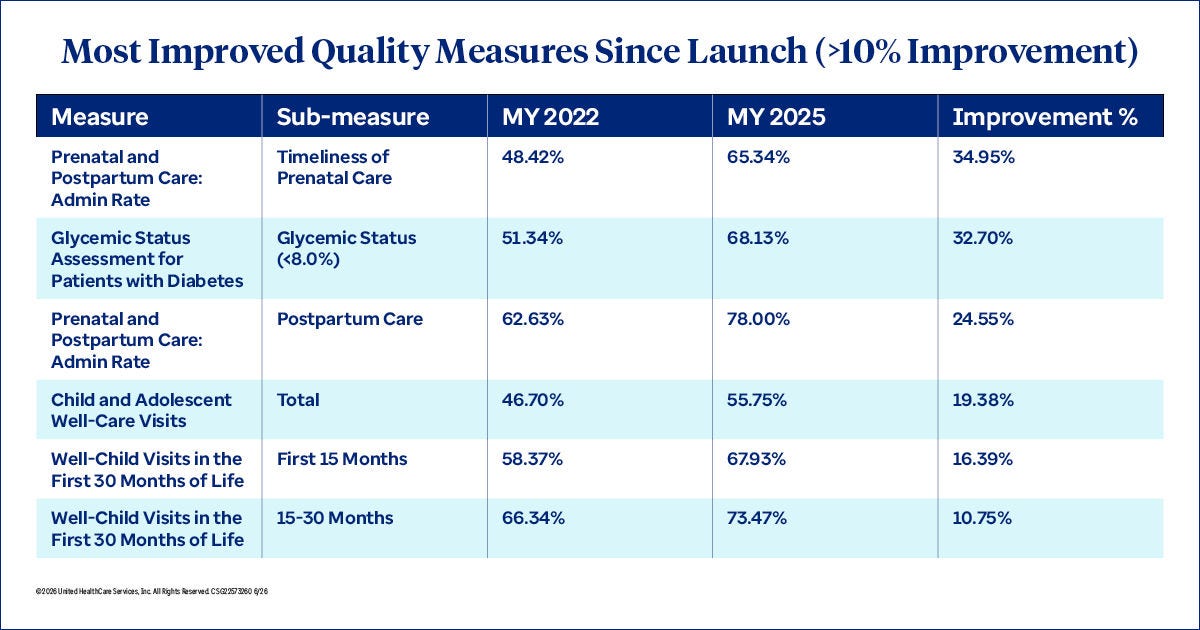
NC Most Improved Quality Measures Since Launch

Across key HEDIS measures, we’ve delivered consistent gains in preventive care, maternal health, and chronic condition management since 2022, including:

  • 32.7% improvement in diabetes control
  • 35% improvement in timely prenatal care
  • 24.5% improvement in postpartum care
  • Up to 16.4% improvement in early childhood well visits
  • Nearly 19.4% improvement in adolescent well visits

Since launch, total gaps closed for priority measures have increased by 22.31%.

 
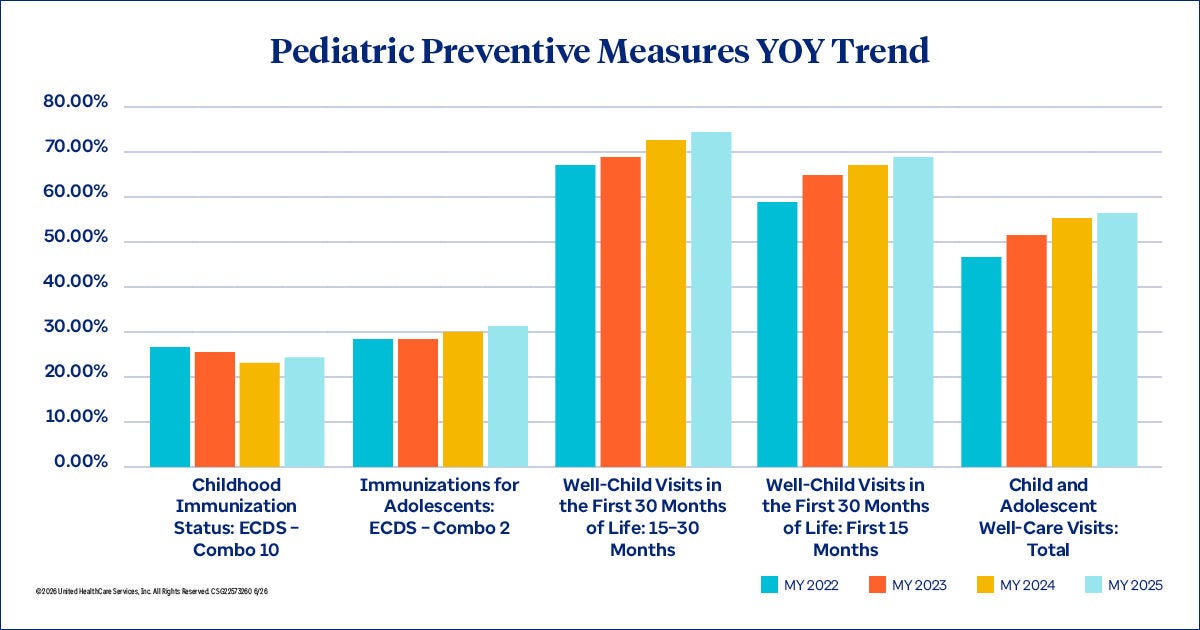
NC Pediatric Preventive Measures YOY Trend

The data shows consistent year-over-year improvement across key pediatric preventive measures from MY2022 through MY2025, reflecting stronger engagement and increased use of recommended services.

  • Well-child visits (first 15 and 15–30 months) showed the steadiest growth, reaching the highest rates in MY2025 (67.93% and 73.47%).
  • Child and adolescent well-care visits improved from 46.70% in MY2022 to 55.75% in MY2025, signaling increased engagement among older children and teens.
  • Immunization measures (CIS and IMA) posted gradual gains despite early dips, indicating improving vaccination coverage over time.
  • MY2025 reflects the strongest performance across all measures, underscoring sustained, not one-time, progress.
 

Key value-based programs 

  • CP-PCPi (Community Plan Primary Care Physician Incentive Program) 
  • CP-HEPi (Community Plan Health Equity Provider Incentive) 
  • BHPi (Behavioral Health Provider Incentive) 
  • Episodes of Care: Maternity, Diabetes, Asthma, OUD, NICU, Orthopedics 
  • Outpatient Behavioral Health Shared Savings 
  • Shared Savings / Shared Risk / ACO partnerships 
 

Provider partnership impact 

The strength and scale of our provider partnerships have been a defining element of success. We’ve focused on reducing administrative burden, strengthening provider operations, and advancing value-based care models that enable high-quality, coordinated care across the state.  

Clinical Practice Consultants use clinical and operational data to identify, outreach and engage providers in performance improvement activities. Over the past five years, this team has completed approximately 30,000 provider engagement activities, including provider education, performance feedback, workflow assessments, gap closure evaluation, and guidance on navigating the Medicaid managed care system.   

Modernizing the provider experience 

Through technology and data sharing initiatives, we continue to simplify processes to ensure providers maximize patient care time:

  • Application Programming Interfaces (APIs) link EMRs to UHC, enabling real-time data transfer, streamlined workflows, and reduced manual processes.
  • Reduced prior authorizations by > 20% since 2024, with additional 30% reduction by end of 2026. 
  • Gold Card Program recognizes providers with a track record of high-quality, evidence-based care. 
  • Training and ongoing technical support for Electronic Visit Verification (EVV) for home health and Personal Care Services providers, in alignment with CMS and NC DHHS requirements. 

Advancing value-based care

We have expanded value-based care by aligning incentives with quality, outcomes, and health equity by:

Looking ahead

None of this progress would be possible without the collaboration of providers, community organizations, state leaders, and, most importantly, our members. As we look ahead, our focus remains on deepening these partnerships, advancing health equity, and continuing to innovate to meet evolving needs.

The five-year mark is not a finish line; it’s a foundation. And from where we stand today, the path forward is one of continued opportunity to strengthen access, improve health, and ensure that every North Carolinian covered by Medicaid receives the care and support they deserve.


UHC Community Plan members in their own words

Care coordination

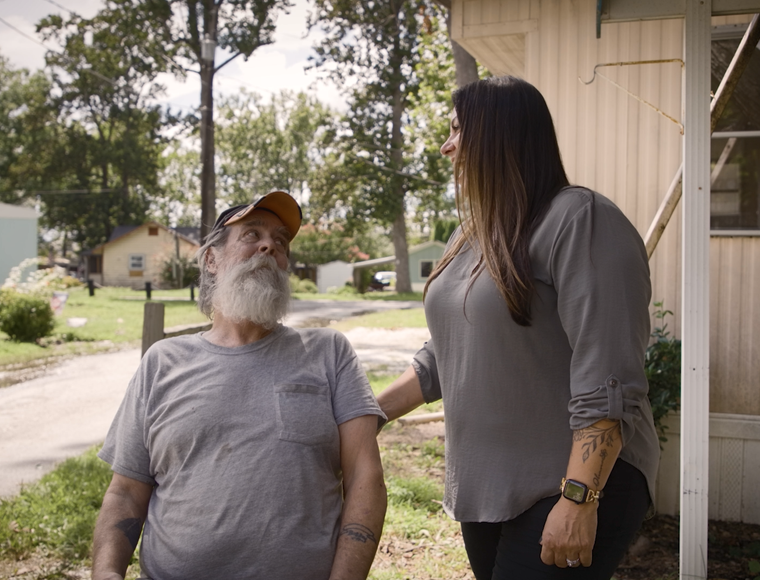
A UHC RN care coordinator first met member Robert Wilkie to provide him with diabetes and dental resource support. When Hurricane Helene neared the area, the coordinator recognized a location impacted by flooding as near Wilkie’s home and reached out to UHC care team colleagues to proactively contact Wilkie and check on his well-being. 

In this video, hear Wilkie recount UHC’s support helped him navigate Hurricane Helene and challenging circumstances in the months that followed.

Maternal & child health

A pregnant member called UHC Member Services to request a car seat, a value-added benefit. The member delivered her baby early, so UHC coordinated with the pregnancy care manager at the county health department to have the car seat delivered to the hospital.

Through additional conversation, the UHC team learned she was food insecure and arranged for her to receive 14 fresh, healthy meals delivered to her home upon hospital discharge, another value-added service available to members. 

“It means a lot to me, and I’m so grateful! Thank you so very much, UnitedHealthcare, for making this happen for me and my baby! I’m just so happy.”  

Home repairs

After a member was referred to a UHC case manager for assistance with daily living activities, the care manager visited her home and learned the member’s bathroom didn’t accommodate assistive medical devices and she was unable to properly shower or groom herself.

Through connection to the Healthy Opportunities Pilot program in Region 1, the member received home modifications that made her bathroom accessible again. 

“This has truly been life-changing for me and I’m so grateful for [my case manager]. She gets 10 gold stars! It had been months since I was able to shower. I was bathing in my kitchen sink. You just don’t understand how not having a shower can impact your overall outlook. I can shower again! It's like I'm a new person. I'm me. I have self-esteem again. I can't thank UnitedHealthcare enough for the service and care they provided me. I'm brought to tears talking about how you changed my life. Thank you!"

GED & Medicaid expansion

After joining UHC Community Plan in December 2023 through Medicaid Expansion, a member started the GED program. 

“As soon as I requested the GED benefit, I was called quickly and was able to apply and be accepted into the program. I was able to get started right away. The fact that UnitedHealthcare helped me get in so fast was awesome. I am extremely motivated to obtain my GED!” 

Within two weeks of starting the program, the member completed the program and earned her GED. She is planning to pursue a social work degree. 

“I had a rough childhood, and I just want to be able to help people navigate in life that also haven’t had a good start. I feel like with my experiences that I would be a good resource for others."


Get updates on Medicaid topics

Be the first to know about relevant news & insights by subscribing to our newsletter.