

Across the United States, some 1,400 community health centers serve as a cornerstone of the nation's primary care safety net for those who face barriers to accessing care.
They provide essential medical services to nearly 34 million people each year, including one in five people residing in rural communities and one in eight children overall.1 Without these indispensable resources, known as Federally Qualified Health Centers (FQHCs), many Americans would lack any meaningful connection to the health care system.
Beyond the essential care provided every day across more than 17,000 delivery sites, health centers also serve as invaluable community resources during natural disasters. FQHCs often operate temporary sites, mobile clinics, or expanded telehealth capability when a catastrophe hits. Before a hurricane arrives, some may distribute extended supplies of medications, remote monitor tools, or smartphones to ensure patients have a way to request help
In the aftermath of Hurricane Helene in 2024, River Valley Health showed just how much impact a center can have when it quickly transformed from a health care provider into a lifeline for the community.
"The health center is often where people go ... Because they know that you're going to help — no matter what — you're going to help."
River Valley Health’s vital role in disaster response
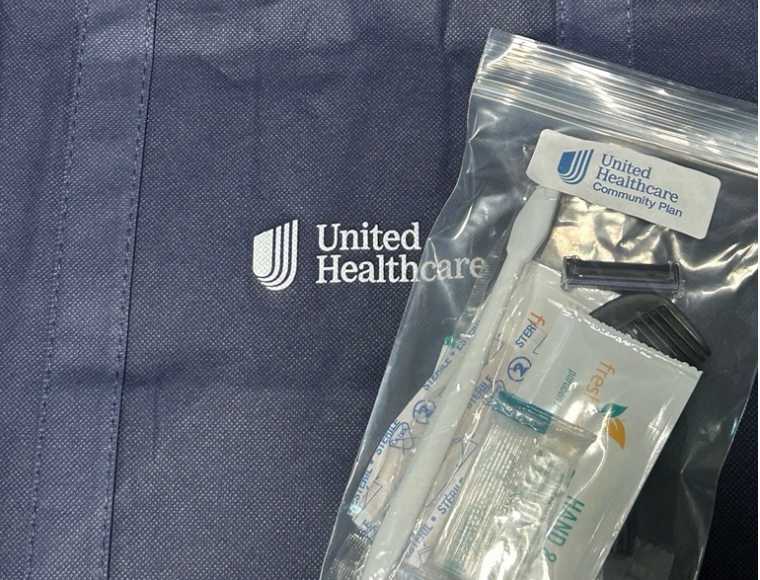
Within hours of the storm’s devastating arrival in Tennessee, River Valley Health staff members started delivering water, diapers, and essential supplies. Mobile clinics helped reconnect isolated communities cut off by damaged roads and communications infrastructure. Workers brought insulin, antibiotics, other medications — even Band-Aids — to seniors in rural areas.
Parinda Khatri, PhD, CEO of River Valley Health, was proud to see her community health center serve as a trusted anchor for so many in need during a natural catastrophe that left at least 250 lives lost2 and caused nearly $79 billion in damage.3
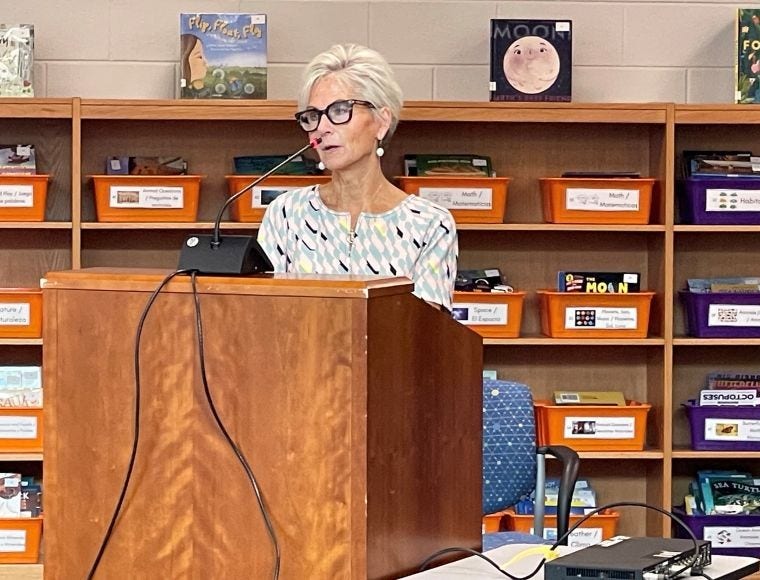
“What struck me is, when people were in their most fearful and uncertain, they came where they felt safe,” recounted Khatri during a recent podcast appearance.
“I cannot tell you how many patients were in tears or were just expressing their gratitude,” she added.
Throughout an in-depth conversation with Amanda Pears Kelly, CEO at Advocates for Community Health (ACH), the two health leaders discuss all this and more:
- River Valley Health’s role in responding to Hurricane Helene.
- Lessons learned during this disaster.
- How the pandemic prepared River Valley for this catastrophe.
- Why disaster response is essential to the FQHC mission.
- The responsibility to help communities increase resilience.
Data and dashboards improve decision-making during a catastrophe
Speed is critical in a during a disaster. But there were years of preparation behind River Valley Health’s ability to respond and react so effectively.
High-risk patients were the center’s number-one concern during Helene, and Khatri credits the center’s investment in analytics and technology for determining how to best deploy its resources. “How are we going to know who they are?" asked Khatri. "Are we going start looking through charts? No. We ran our analytics. We looked at our dashboard."
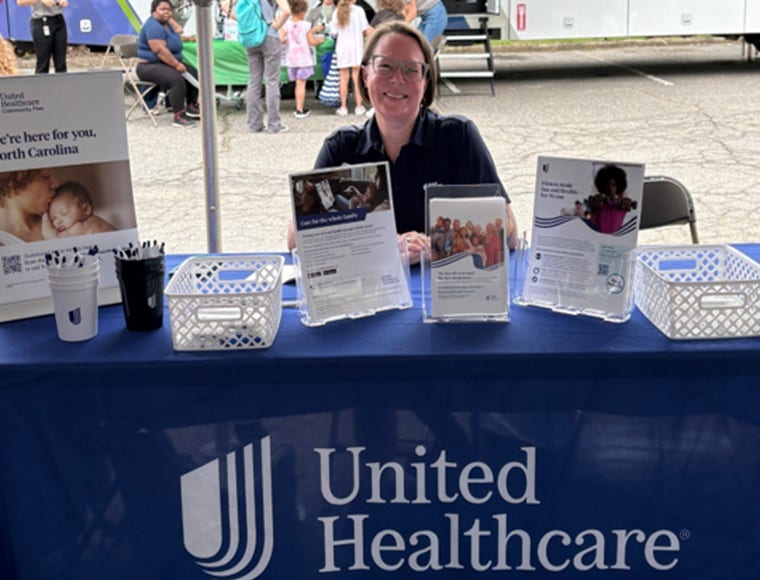
A $100,000 grant funded by UnitedHealthcare, through ACH’s Community Health Entrepreneur Challenge, was critical to helping River Valley Health build tailored dashboards that care coordinators use to plan outreach and engagement.
"What this grant did was help strengthen our data analytics and population health capabilities," said Khatri. "We were able to build and refine a dashboard in terms of patient clinical quality and patient risk metrics. That really helped us be strategic and intentional about where to put our resources."
Even before the storm arrived, this is how they determined who was at risk for running out of medication and how to prioritize outreach for patients with chronic medical issues or behavioral health issues. "One of the things that a dashboard like this let us do was identify and target the population," said Khatri. "We reached out to them beforehand ...That is incredibly powerful in terms of information to help us meet the needs of people."
A stronger FQHC network leads to stronger disaster preparedness
River Valley Health serves more than 60,000 patients per year in eastern Tennessee, so Khatri has always understood the importance of the health services provided by FQHCs. But her experience during Hurricane Helene provided an even deeper understanding of just how meaningful that connection to the community can be in a crisis.
Khatri’s passion is now greater than ever to find ways for health centers and organizations like ACH to work together to strengthen preparedness and resilience in the future.
“What gives me confidence is our history and our DNA,” said Khatri. “Our history is one of strength in the face of tremendous adversity … I have full confidence that we are charting a path for true community health. We can take it on.”
With more innovative initiatives, ongoing advocacy, and daily work providing care for the communities in need, FQHCs will be able to support their members even better during a disaster. And for Pears Kelly of ACH, nothing shows their impact as much as how people view their local community health center in times of crisis.
"The health center is often where people go," said Pears Kelly on the podcast. "Because of that sense of safety. Because it's trusted in the community. Because they know that you're going help — no matter what — you're going to help."
Sources
- Health Resources & Services Administration, Health Center Program Uniform Data System (UDS) Data
- Health Resources & Services Administration, “Impact of the Health Center Program”
- NOAA, “National Hurricane Center Tropical Cyclone Report (September 24-27, 2024)”
- NOAA, Office for Coastal Management, “Fast Facts: Hurricane Costs”