Skip Navigation

Helping Nebraskans age at home, live independently and access care


Key Insights & Takeaways

How is UnitedHealthcare strengthening the health care system serving Nebraska?

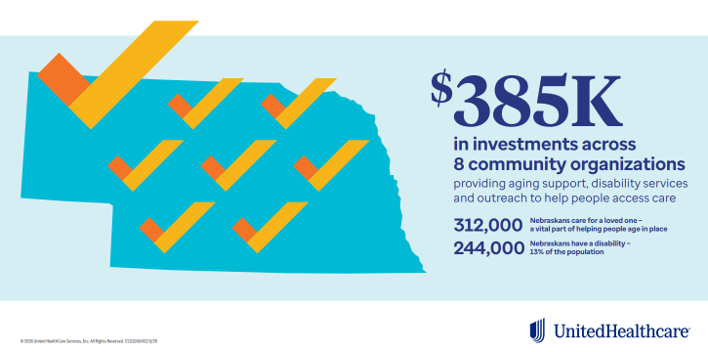
UnitedHealthcare Community Plan of Nebraska is investing $385,000 with eight community organizations to support aging services, disability resources and outreach to improve access to care throughout the state.

Why focus on seniors and people who have a disability?

More than 300,000 Nebraskans care for a loved one, and about 13% of Nebraskans have a disability – highlighting a need for stronger, more accessible support and resources.

What is the expected impact?

These investments aim to support growing demand for support aging at home, stronger disability supports and reduced barriers to health care. 


Image on Page - 1024x768 - 1
ENCAP

UnitedHealthcare Community Plan of Nebraska is investing $385,000 in community organizations that provide aging support, disability services and outreach to help people access care. These efforts focus on strengthening the services and resources available across Nebraska so the people we serve can get the care and support they need to live healthier lives.

Across Nebraska, we’re seeing growing demand among our members and communities for stronger support to age at home, services and resources for people who have disabilities, and a need to reduce barriers to accessing health care. Meeting these needs means reinforcing the services, providers and home and community-based supports that help the health system work better for our members every day.

Supporting caregivers and strengthening aging services

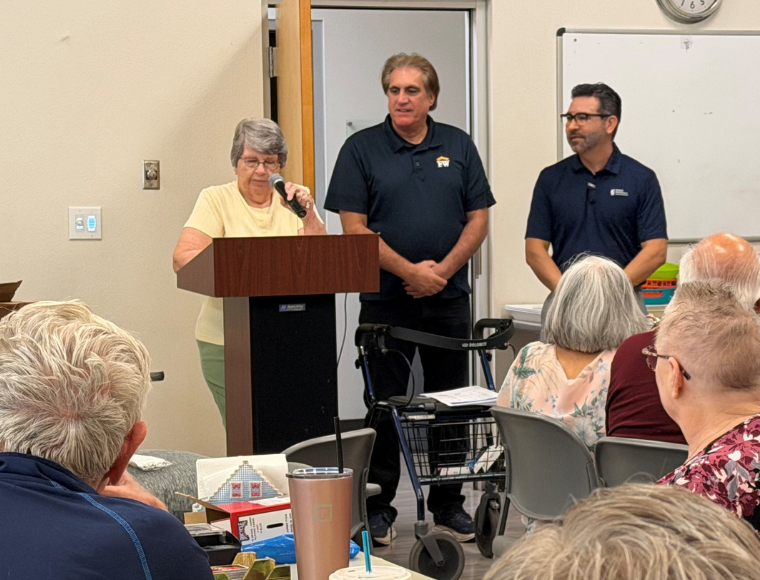
In Nebraska, care often starts at home. More than 300,000 Nebraskans care for a loved one, representing a critical part of the care continuum and essential support in helping seniors age in place.1 As demand grows, so does the need to strengthen resources for seniors and the caregivers who support them.

That’s why our investments focus on improving the systems that support aging in place, including financial stability and long-term planning to respite services and community-based resources. Together, these efforts are designed to better support both older adults and their caregivers. Across the state, we’re working with community leaders to advance this work:

  • Eastern Nebraska Community Action Partnership is helping seniors build financial stability and plan for the future.
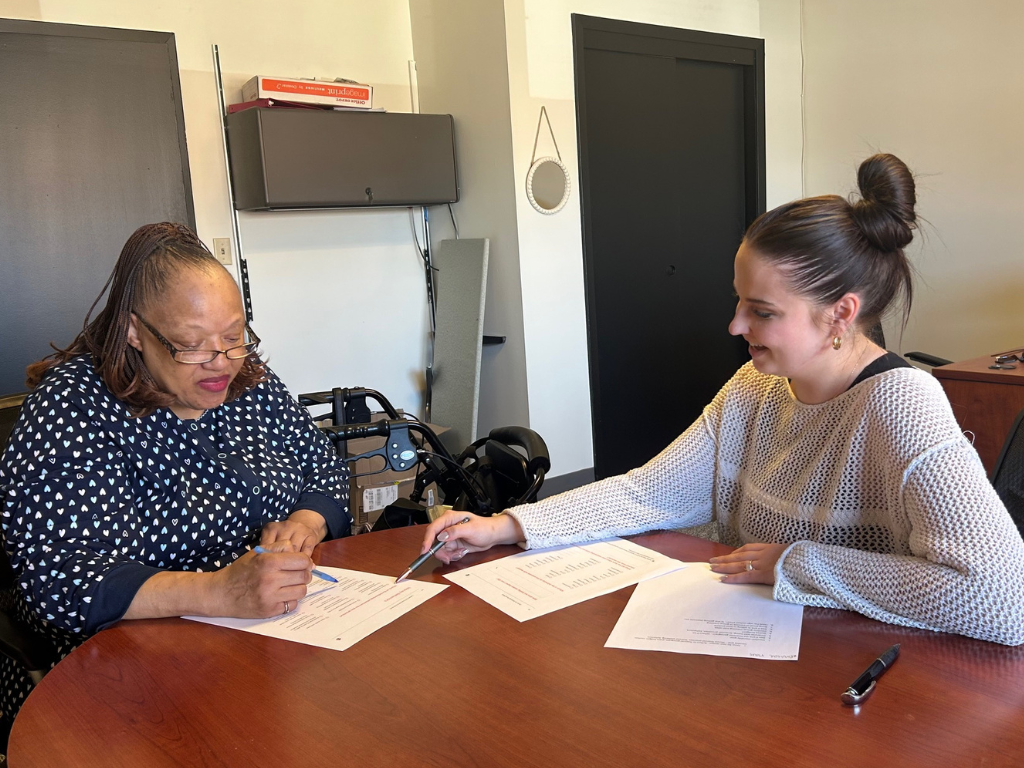
  • Eastern Nebraska Office on Aging (ENOA) is offering respite services and caregiver support to reduce burnout and help families sustain care at home.
  • Through the Nebraska Association of Local Health Directors, new rural coalitions are strengthening coordination around dementia and aging services, improving access for both seniors and their caregivers.
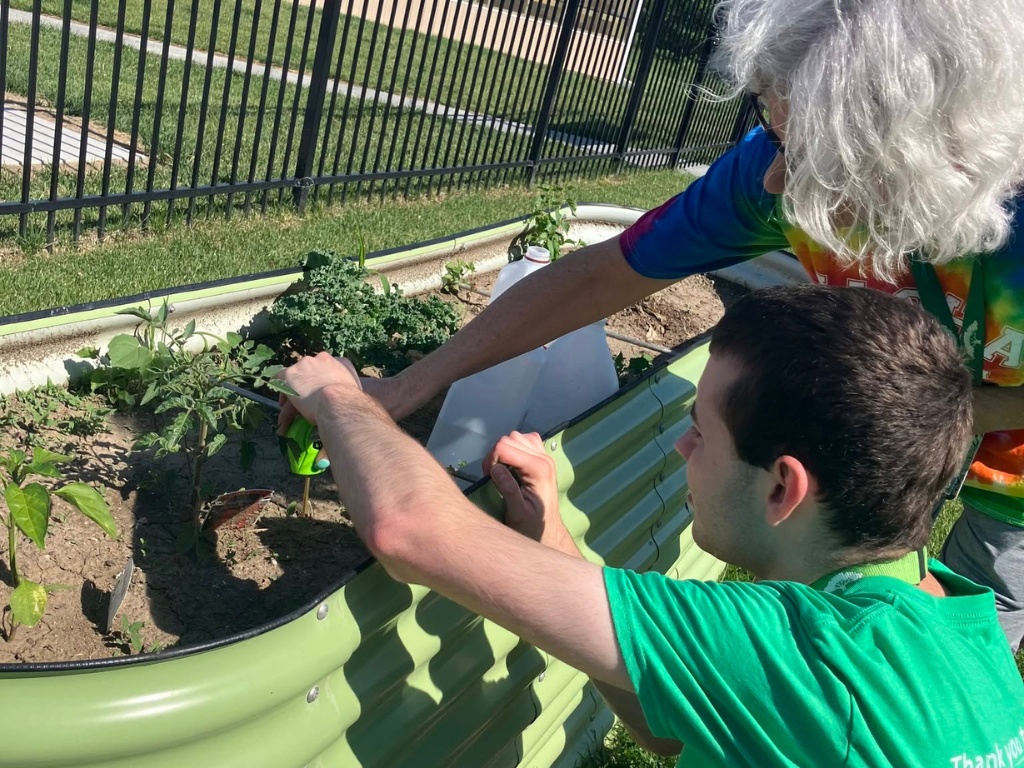
 
 
Image on Page - 1024x768 - 1
Sheltering tree

Expanding resources and care for people with disabilities

More than 244,000 Nebraskans have a disability – about 13% of the state population. For Nebraskans living with intellectual and developmental disabilities, access to consistent, high-quality support can shape daily life, from finding meaningful employment and building independence to accessing health care. Community-based investments from UnitedHealthcare Community Plan of Nebraska are helping address these challenges by expanding the services and supports our members rely on every day:

  • The Arc of Nebraska is expanding inclusive employment opportunities statewide for people who have intellectual and developmental disabilities through training, partnerships and advocacy.
  • Autism Action Partnership will continue to support workforce readiness for autistic adults through skills training and employer engagement that open pathways to employment.
  • Munroe-Meyer Institute at the University of Nebraska Medical Center is enhancing adaptive care services for people who have intellectual and developmental disabilities and the caregivers who support them.
  • Sheltering Tree is expanding gardening facilities for programs that support hands-on learning, community connection, healthy eating and daily life skills for adults with developmental disabilities.
 

“With support from UnitedHealthcare, we have launched a Workforce Development Task Force to forge critical collaborations in support of people with intellectual and developmental disabilities. The task force is collecting data and assessing community needs to support adults with disabilities in entering the workforce.”

MaKayla Bartel Interim Executive Director, The Arc of Nebraska
 
Image on Page - 1024x768 - 1
HEAL Omaha

Reaching people to close gaps in care

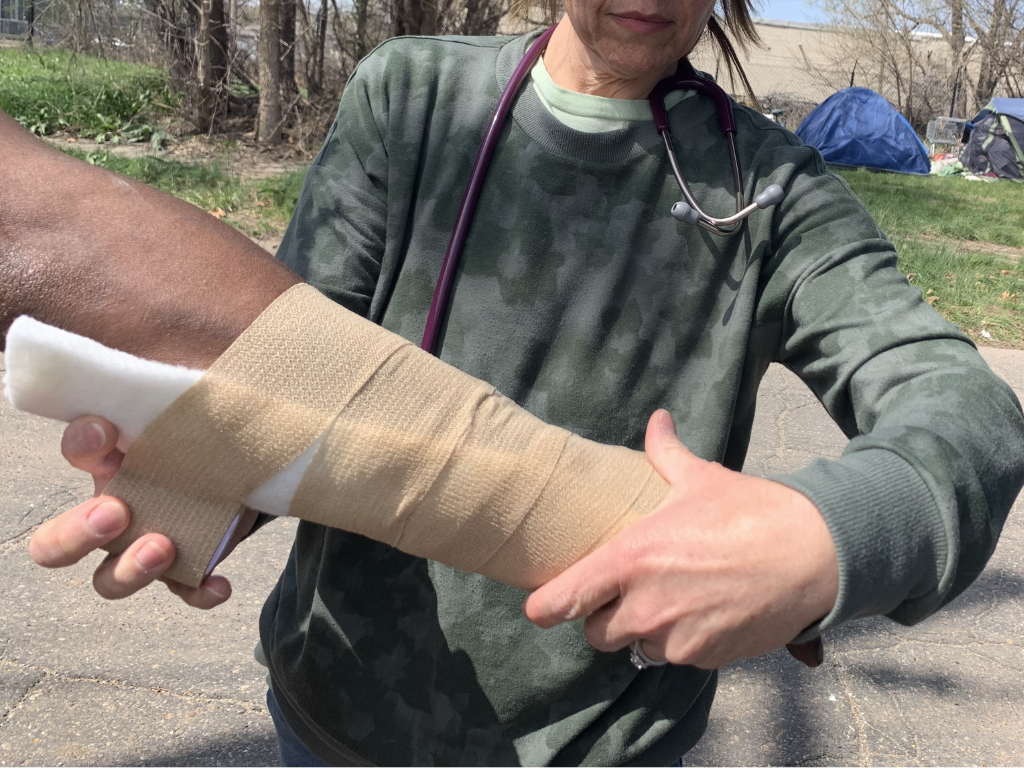
For people experiencing housing instability or other barriers, traditional care settings are not always within reach. UnitedHealthcare Community Plan of Nebraska works closely with state and local leaders to support our members who experience homelessness and to strengthen resources more broadly in our communities. In Omaha, where unsheltered homelessness is rising2, we’re supporting street medicine outreach which closes gaps by bringing health care directly to people experiencing homelessness:

  • Health Equity in Action League (HEAL) Omaha is increasing capacity of a street medicine outreach program with volunteer recruitment and training to support more consistent access to health care.

Building a stronger system for the people we serve

Together, these efforts are about more than expanding services. They are about strengthening the underlying system serving Nebraska’s Medicaid population, along with the caregivers, providers and community organizations that support their health. By investing across these connected areas, UnitedHealthcare Community Plan of Nebraska is helping build a more coordinated, resilient system for the people and communities we serve every day.


“With support from UnitedHealthcare, we have launched a Workforce Development Task Force to forge critical collaborations in support of people with intellectual and developmental disabilities. The task force is collecting data and assessing community needs to support adults with disabilities in entering the workforce.”

MaKayla Bartel Interim Executive Director, The Arc of Nebraska


Get updates on Medicaid topics

Be the first to know about relevant news & insights by subscribing to our newsletter.